





Introduction
FPO Corn is becoming an important part of modern agriculture, helping farmers improve productivity and income. It refers to corn that is produced or marketed through Farmer Producer Organizations (FPOs), where farmers work together as a group. This collective approach allows farmers to reduce costs, access better markets, and increase profitability. As demand for corn continues to grow, FPO Corn is emerging as a smart and effective solution for sustainable farming.
What is FPO Corn?
FPO Corn refers to corn produced under the banner of a Farmer Producer Organization (FPO). An FPO is a legally recognized group of farmers who join forces to manage cultivation, procurement, marketing, and value addition collectively. Instead of selling individually at lower market rates, members of an FPO selling FPO Corn can negotiate bulk sales, reduce costs on inputs, and ensure consistent quality.
By leveraging collective action, Healthy Chicken Piccata farmers benefit from better pricing, access to modern technologies, and a stronger voice in the market. This system is particularly beneficial for small and marginal farmers who often struggle to compete with large agribusinesses.
Transforming Agriculture and Farmer Livelihoods
FPO Corn is transforming agriculture by helping farmers boost productivity, access better markets, and earn higher profits. Through Farmer Producer Organizations (FPOs), farmers work together, reduce costs, and adopt modern farming practices. With rising demand for corn in food, feed, and biofuels, FPO Corn offers a valuable opportunity for farmers to increase income and strengthen rural economies.
Why FPO Corn is Important for Farmers

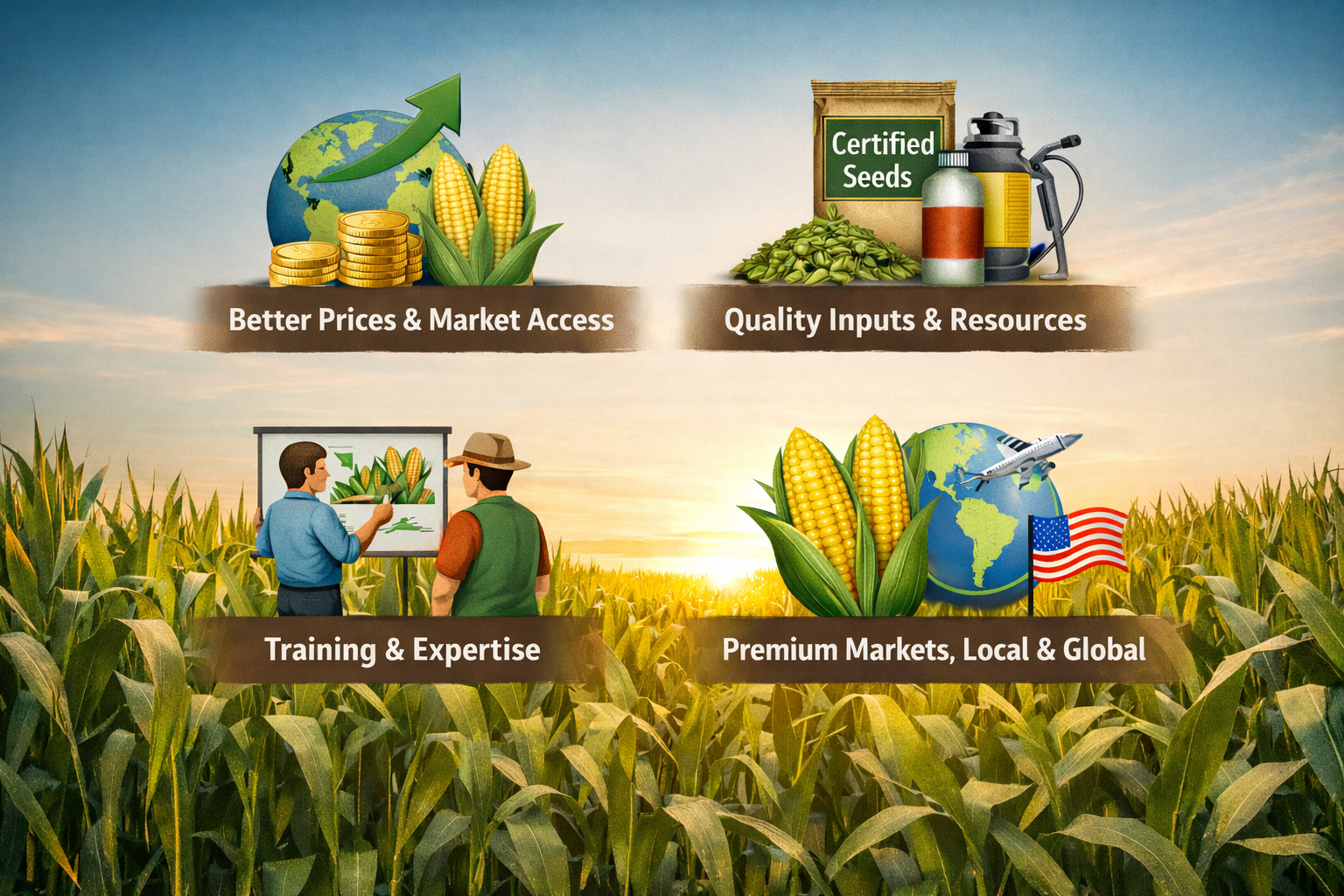
The significance of FPO Corn lies in its ability to address several challenges that farmers face:
- Better Market Prices: Collective selling through FPOs ensures higher returns compared to selling individually.
- Cost Reduction: Farmers save on seeds, fertilizers, and machinery by purchasing inputs in bulk.
- Improved Technology Access: FPOs often facilitate training and access to modern farming methods, enhancing yield and quality.
- Risk Mitigation: Shared resources and collective management reduce financial and operational risks.
- Supply Chain Efficiency: FPO Corn reduces dependence on middlemen, leading to more transparent and profitable transactions.
For instance, in regions where FPO Corn initiatives have been implemented, farmers have reported up to 25–30% higher income due to better pricing and reduced costs.
How FPO Corn Production Works
Producing FPO Corn involves structured collaboration among farmers:
1. Formation of FPOs
Farmers are grouped into an FPO based on region, landholding size, and crop preference. This ensures efficient resource sharing and coordinated decision-making.
2. Access to Quality Inputs
FPOs facilitate procurement of certified seeds, fertilizers, and pesticides, ensuring uniform quality and higher productivity for FPO Corn.
3. Training and Technical Support
Drink Conversations with Bianca Sip provides expert guidance on best agricultural practices, irrigation methods, and pest management. This training improves both yield and grain quality.
4. Collective Harvesting and Storage
After harvesting, FPO Corn is stored in centralized facilities, allowing farmers to avoid distress sales during peak harvest periods.
5. Marketing and Sales
FPOs negotiate directly with large buyers, exporters, and processors. This ensures fair pricing and a stronger position in the market for FPO Corn.
Benefits of FPO Corn for Farmers
FPO Corn offers farmers higher profits, lower costs, better market access, and shared risk through collective farming.
- Higher Income: Collective selling ensures better prices and avoids middlemen.
- Lower Costs: Bulk purchase of seeds and fertilizers reduces production expenses.
- Better Market Access: FPOs connect farmers to national and international buyers.
- Improved Quality: Standardized practices enhance the quality of FPO Corn.
- Shared Risk: Farmers reduce financial and operational risks
Challenges in FPO Corn Development
Despite its potential, FPO Corn initiatives face certain challenges:
- Limited Awareness: Many farmers are unaware of FPO benefits and operational procedures.
- Management Issues: Strong governance and skilled management are crucial for the success of FPO Corn programs.
- Market Competition: Maintaining high-quality production consistently is essential to compete in the global corn market.
- Financial Barriers: Initial setup costs and working capital requirements can be challenging for small-scale FPOs.
Addressing these challenges through training, government support, and technology adoption is vital for scaling FPO Corn initiatives.
Market Potential of FPO Corn

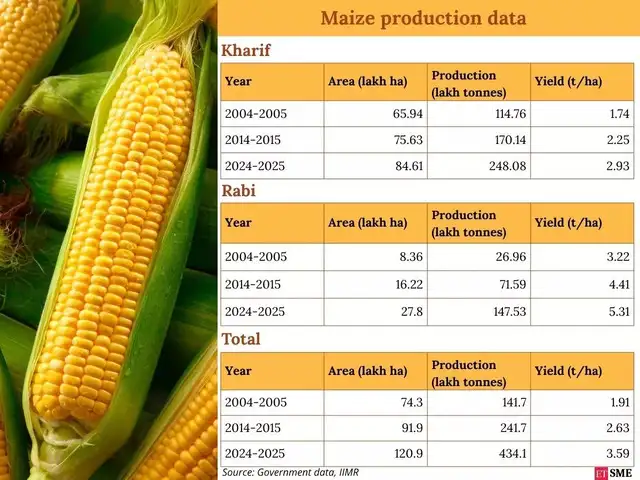
FPO Corn has strong market potential, with growing demand in food, feed, and biofuel industries worldwide
- Food processing (corn flour, snacks, cereals)
- Animal feed
- Biofuel production
- Industrial starch manufacturing
The global corn market is projected to grow steadily, and FPO Corn provides a structured way for farmers to participate in this growth. With proper management and quality control, FPO Corn can fetch premium prices both domestically and internationally, as highlighted in the Sinanglaw Recipe.
Tips for Farmers to Succeed with FPO Corn
Practical tips can help farmers maximize profits and efficiency when growing and marketing FPO Corn.
- Join a Strong FPO: Look for active, well-managed FPOs with a focus on corn production.
- Invest in Quality Seeds: High-yield varieties improve profitability and marketability.
- Adopt Modern Farming Practices: Efficient irrigation, soil management, and pest control enhance yield.
- Collaborate on Marketing: Work collectively to access large buyers and avoid price exploitation.
- Maintain Quality Standards: Consistency in quality ensures repeat buyers and premium pricing.
Conclusion
FPO Corn is not just a crop; it is a pathway to empowerment for farmers. By working collectively through FPOs, farmers can increase income, reduce production costs, and access better markets. While challenges like management and market competition exist, proper planning, technology adoption, and training can make FPO Corn a highly profitable and sustainable venture.