








Introduction
Schedule source uge is a scheduling platform designed to help universities manage classes, faculty assignments, student schedules, and institutional resources more efficiently. Modern educational institutions handle thousands of courses, instructors, classrooms, and students every semester. Managing these elements manually is time-consuming and prone to errors. This is where becomes an essential solution.
In this guide, you’ll learn what is, how it works, its key features, benefits, and practical tips for getting the most from the platform.
What Is Schedule Source UGE?
Schedule source uge is a scheduling and resource management system that assists educational institutions in creating organized academic schedules. The platform helps administrators coordinate faculty availability, classroom allocation, course planning, and timetable management from a centralized system.
Instead of relying on spreadsheets or manual scheduling methods, universities can use to automate many routine scheduling tasks while reducing conflicts and improving operational efficiency.
Why Schedule Source UGE Is Important
Higher education institutions face complex scheduling challenges every academic term. These include:
- Managing instructor availability
- Preventing classroom conflicts
- Organizing multiple course sections
- Supporting student enrollment
- Maintaining balanced teaching workloads
- Updating schedules quickly when changes occur
By using schedule source uge, institutions can simplify these processes and create more reliable schedules.
Key Features of Schedule Source UGE

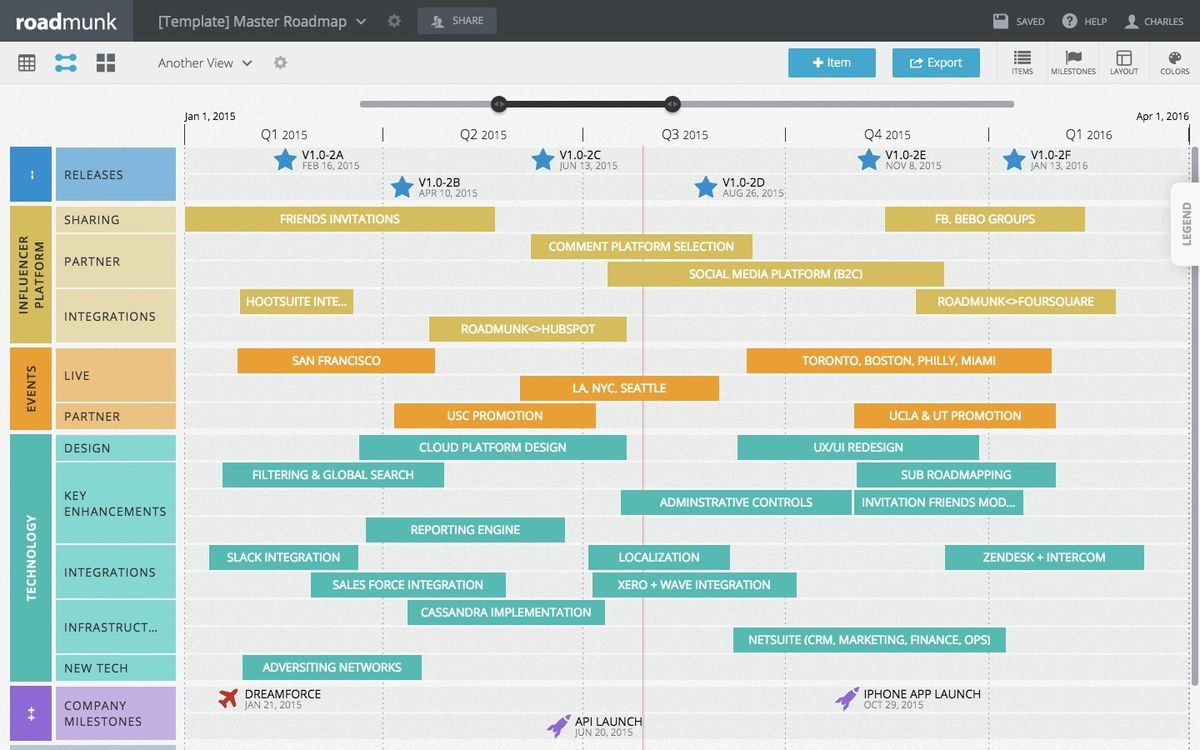
They help streamline academic scheduling and resource management efficiently
Centralized Scheduling
One of the biggest strengths of schedule source uge is centralized schedule management. Administrators can manage multiple departments from a single dashboard.
Automated Conflict Detection
The system identifies scheduling conflicts before they become major problems. This includes:
- Double-booked classrooms
- Instructor time conflicts
- Overlapping course schedules
- Resource availability issues
Faculty Workload Management
They helps balance instructor workloads by distributing courses fairly while considering availability and departmental requirements.
Classroom Allocation
Efficient room assignment ensures that classrooms match course requirements, seating capacity, and available resources.
Reporting and Analytics
Many institutions use to generate reports that support planning, budgeting, and long-term scheduling improvements.
Benefits of Schedule Source UGE
Benefits include improved efficiency, fewer scheduling conflicts, and better resource management.
Saves Administrative Time
Scheduling hundreds of classes manually requires significant effort. Automation reduces repetitive tasks and speeds up schedule creation.
Improves Accuracy
Because schedule source uge automatically checks for conflicts, scheduling errors become much less common.
Better Resource Utilization
Universities can make better use of classrooms, laboratories and teaching spaces by optimizing assignments.
Supports Better Decision-Making
Scheduling reports provide administrators with valuable insights that improve future planning.
Easier Schedule Updates
Unexpected changes happen regularly. Faculty absences, room maintenance, or enrollment changes can all require schedule adjustments. They allows administrators to make updates more efficiently.
How Schedule Source UGE Works
Although each institution may configure the system differently, the general workflow includes:
- Import course information.
- Add faculty availability.
- Enter classroom resources.
- Create scheduling rules.
- Generate proposed schedules.
- Review conflicts.
- Publish approved schedules.
- Continue monitoring throughout the semester.
This structured workflow helps institutions maintain organized academic operations.
Schedule Source UGE for Faculty
Faculty members often benefit from easier access to:
- Teaching schedules
- Classroom assignments
- Course changes
- Academic calendars
- Workload information
With schedule source uge, instructors can quickly review their assigned courses without relying on multiple communication channels.
Schedule Source UGE for Students
Students also experience several advantages, including:
- Clear class schedules
- Updated timetable information
- Reduced scheduling conflicts
- Better visibility of available courses
- Improved registration planning
Reliable scheduling contributes to a better educational experience for everyone.
Best Practices When Using Schedule Source UGE
A few practical strategies can help maximize scheduling performance.
Keep Information Updated
Accurate faculty availability, classroom information, and course data improve scheduling results.
Review Scheduling Rules
Regularly updating scheduling policies ensures that generated schedules align with institutional goals.
Monitor Resource Usage
Tracking classroom utilization helps universities maximize available facilities.
Train Administrative Staff
Proper training ensures that staff members can use schedule source uge efficiently and avoid unnecessary scheduling errors.
Perform Regular Schedule Reviews
Routine reviews help identify opportunities for improvement before each new semester begins.
Common Challenges
Even advanced scheduling systems require careful management. Some common challenges include:
- Last-minute course additions
- Faculty availability changes
- Enrollment fluctuations
- Classroom maintenance
- Policy updates
Fortunately, schedule source uge provides tools that make responding to these situations much easier than manual scheduling methods.
Tips for Maximizing Schedule Source UGE
To get the best results from schedule source uge, institutions should:
- Maintain accurate academic records.
- Update faculty availability regularly.
- Monitor scheduling reports.
- Plan semesters well in advance.
- Review conflicts before publishing schedules.
- Encourage communication between departments.
- Back up scheduling data regularly.
These practices help improve scheduling quality and institutional efficiency.
Future of Schedule Source UGE
As educational technology continues to evolve, scheduling platforms are becoming increasingly intelligent. Future enhancements may include artificial intelligence, predictive scheduling, improved analytics, mobile accessibility, and deeper integration with learning management systems.
Universities that adopt advanced scheduling solutions will likely continue improving operational efficiency while providing better experiences for faculty and students.
Conclusion
Schedule source uge is an effective scheduling solution that helps universities organize academic operations more efficiently. From classroom allocation and faculty workload management to conflict detection and reporting, the platform supports smoother scheduling across departments. By following best practices and maintaining accurate scheduling data, institutions can improve efficiency, reduce administrative workload, and deliver a better academic experience for everyone.


