

Introduction
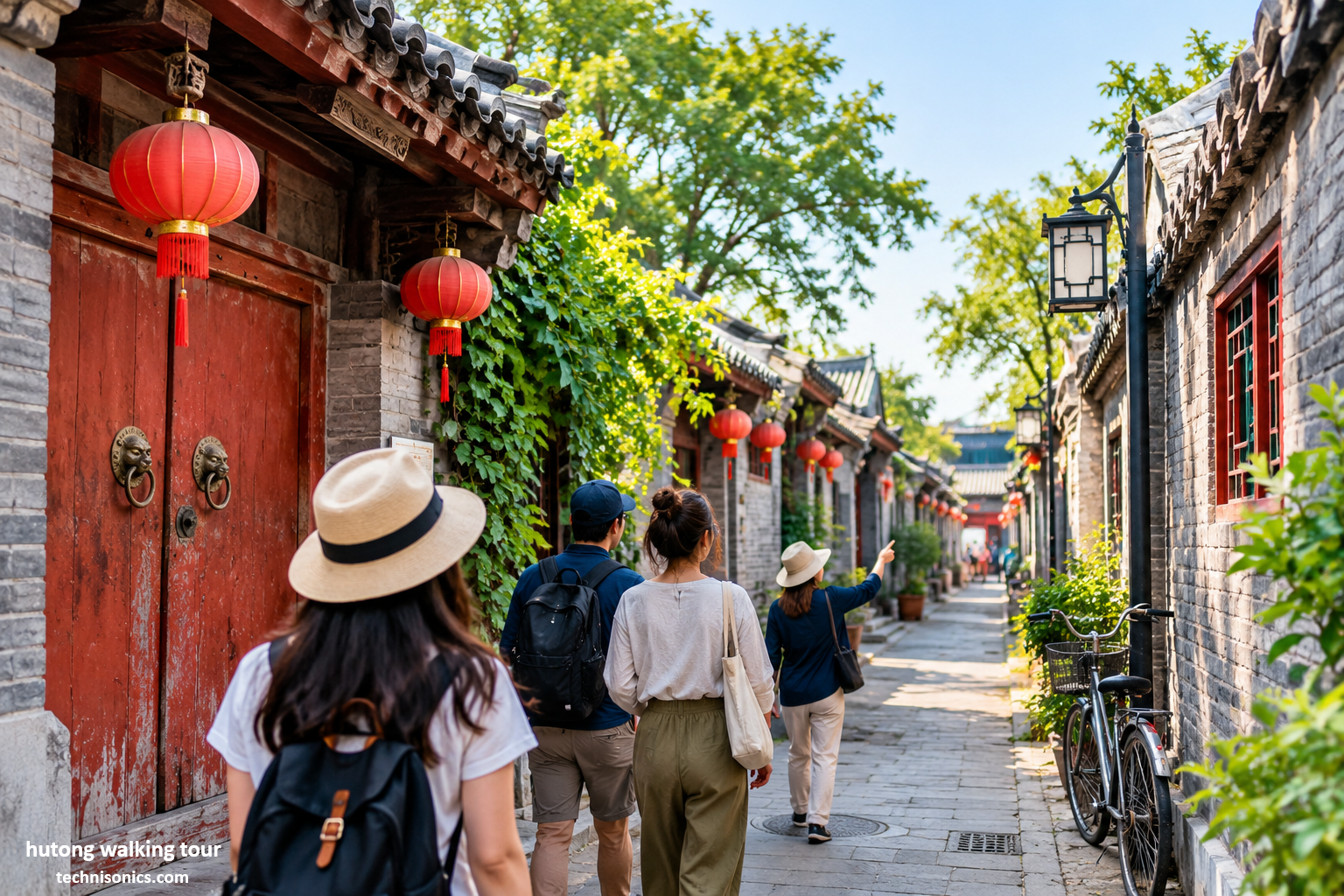
A hutong walking tour is one of the most enjoyable ways to discover the traditional side of Beijing. Instead of exploring the city only through famous landmarks and modern shopping districts, a walk through the hutongs takes you into narrow alleyways, historic residential neighborhoods, traditional courtyard homes, small shops, cafés, and streets where local life continues much as it has for generations.
Beijing’s hutongs offer a different perspective on the Chinese capital. They combine history, architecture, culture, food, and everyday life in a compact walking experience. Whether you are visiting Beijing for the first time or returning to explore beyond the major attractions, spending a few hours in the hutongs can add a memorable cultural experience to your trip.
What Is a Hutong?
The word “hutong” generally refers to a traditional alleyway or lane, particularly those associated with the historic neighborhoods of Beijing. Many hutongs developed around siheyuan, traditional courtyard residences surrounded by buildings on four sides.
Historically, hutongs were more than simple pathways between houses. They were important parts of residential communities where neighbors interacted, children played, businesses operated, and daily activities took place.
Over time, many original hutongs have disappeared because of urban redevelopment. However, several historic areas have been preserved, restored, or incorporated into modern Beijing while retaining elements of their traditional character.
Walking through these neighborhoods provides an opportunity to observe the contrast between old Beijing architecture and the rapidly developing city surrounding it.
Why Take a Hutong Walking Tour?
A hutong walking tour offers a slower way to experience Beijing. Instead of moving quickly between major attractions, visitors can spend time noticing details that are easy to miss from a vehicle.
One of the biggest advantages is the opportunity to explore traditional architecture. You may see gray-brick walls, wooden doors, decorative entrances, courtyard residences, and narrow lanes connecting different neighborhoods.
Hutong tours can also provide cultural context. A knowledgeable local guide may explain how courtyard homes were traditionally arranged, how communities developed, and how everyday life in these neighborhoods has changed.
For travelers interested in photography, the hutongs can also provide interesting scenes. Old doors, bicycles, street signs, neighborhood shops, and traditional buildings create a very different visual experience from Beijing’s modern business districts.
Best Areas for a Hutong Walking Tour
Beijing has numerous historic hutong areas, but some are particularly popular with visitors.
Shichahai and Houhai
The Shichahai area is known for its historic waterways, traditional neighborhoods, restaurants, and small businesses. Walking around the surrounding hutongs allows visitors to combine old residential streets with the atmosphere around the lakes.
The nearby Houhai area becomes particularly lively later in the day, with restaurants and cafés attracting both locals and visitors.
Yandai Xiejie
Yandai Xiejie is a historic pedestrian street surrounded by hutongs. The area contains shops, restaurants, cafés, souvenirs, and traditional-style buildings.
Because it is relatively compact, it can work well as part of a longer walking route. Visitors can explore the main street before turning into nearby residential lanes for a quieter experience.
Nanluoguxiang
Nanluoguxiang is another well-known area for exploring Beijing’s historic neighborhoods. Its main street contains numerous shops and food businesses, while surrounding hutongs provide opportunities to see traditional residential architecture.
The area can become busy, especially during popular visiting hours, so travelers who prefer a quieter atmosphere may want to explore earlier in the day.
What to Expect on a Hutong Walking Tour
A typical hutong walking tour can include several different experiences depending on the route and tour provider.
You may walk through narrow residential lanes, visit historic streets, stop at traditional courtyards, learn about local architecture, and explore small food or shopping areas.
Some tours focus mainly on history and architecture, while others include food tasting, visits to local homes, cultural demonstrations, or stops at nearby landmarks.
The walking distance also varies. A short neighborhood walk may take around two hours, while a more extensive experience can take several hours and cover multiple historic districts.
Before booking, check what is included in the tour. Some tours are focused entirely on walking, while others combine walking with transportation or visits to specific attractions.
Traditional Food Along the Way
Food can be an enjoyable part of exploring Beijing’s hutongs. Depending on the neighborhood, visitors may find noodle shops, dumpling restaurants, snack stalls, bakeries, tea shops, and small local eateries.
Beijing is particularly known for dishes such as zhajiangmian, noodles served with a savory fermented soybean-based sauce. Other local specialties and regional Chinese foods can also be found throughout the city’s older neighborhoods.
Trying food during a walking tour can make the experience more interactive, but travelers should consider dietary restrictions and food preferences before choosing a tour that includes tastings.
How to Prepare for Your Tour
Comfortable footwear is one of the most important things to bring. Hutong exploration involves walking for extended periods, and some lanes have uneven surfaces.
Weather should also influence your preparation. Beijing can experience hot summers and cold winters, so clothing should be appropriate for the season. During warmer months, carrying water and using sun protection can make a long walk more comfortable.
A phone or camera is useful for recording architectural details and interesting street scenes. However, visitors should be respectful when photographing residents, private homes, or people going about their daily activities.
It is also helpful to carry some basic navigation information, especially if you plan to explore independently rather than with a guide.
Guided or Self-Guided Hutong Walking Tour?
Both options have advantages.
A guided hutong walking tour can be useful for travelers who want historical information and local context. A guide can point out architectural details and explain the significance of particular streets, buildings, and neighborhoods.
A self-guided walk provides more flexibility. You can choose your own pace, stop whenever you want, explore cafés or shops, and change your route based on your interests.
First-time visitors may appreciate having a guide for at least part of their hutong experience, while experienced travelers may prefer exploring independently.
Tips for a Better Hutong Experience
Plan your route before starting, especially if you want to visit several areas in one day. Popular streets can become crowded, so starting earlier can provide a more relaxed atmosphere.
Avoid treating residential hutongs like an open-air museum. These are real neighborhoods where people live and work. Keep noise levels reasonable and avoid entering private courtyards or photographing people without permission.
Taking occasional breaks is also worthwhile. A small café or local restaurant can provide a chance to rest while experiencing another side of the neighborhood.
Most importantly, allow yourself time to explore. The appeal of Beijing’s hutongs often comes from small details rather than a single major attraction.
When Is the Best Time for a Hutong Walking Tour?
The ideal time depends on weather, crowd levels, and personal preferences. Spring and autumn are generally comfortable seasons for extended outdoor exploration, while summer walks may be more comfortable during cooler morning or evening hours.
Morning walks can offer a quieter atmosphere, while late afternoon provides a chance to see neighborhoods become more active.
Before setting out, check the day’s weather and plan your route accordingly. A flexible schedule can make the experience more enjoyable.
Conclusion
A hutong walking tour provides an engaging way to discover the historic and everyday character of Beijing.
From traditional courtyard homes to lively streets, local food, and hidden lanes, each neighborhood offers something different.
Whether you choose a guided experience or explore independently, walking allows you to appreciate details that are easy to overlook.
With comfortable shoes, a thoughtful route, and respect for local residents, a hutong visit can become one of the most memorable parts of a Beijing trip.
